| |
| Speech of His All-Holiness Ecumenical Patriarch Bartholomew, Paris 2026 |
| |
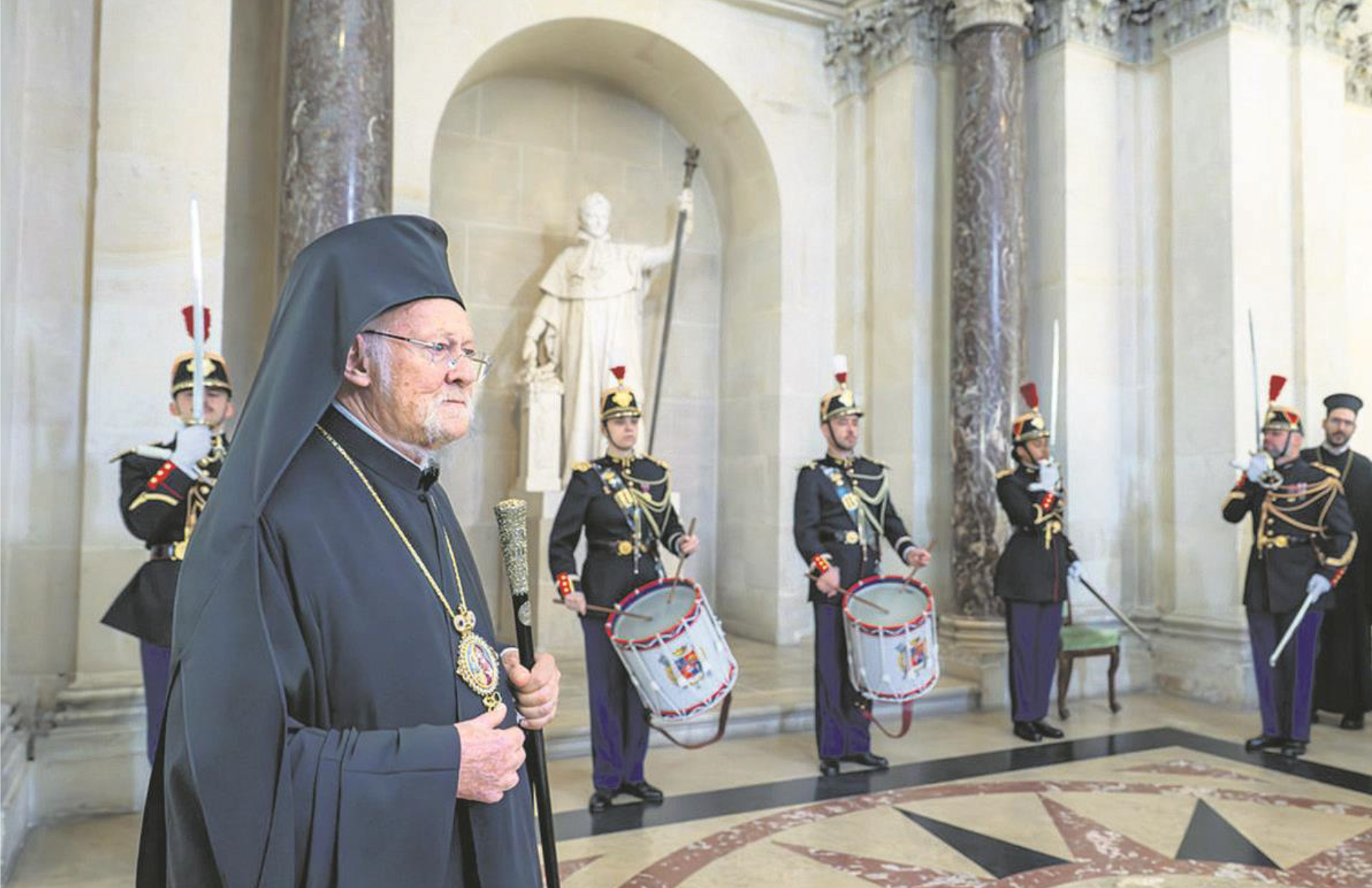
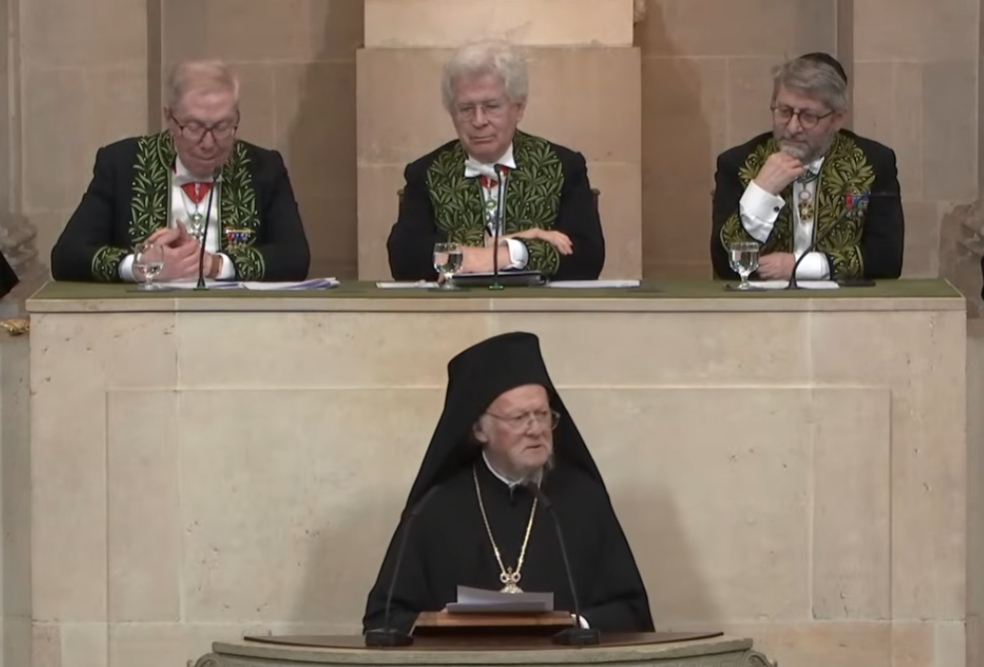
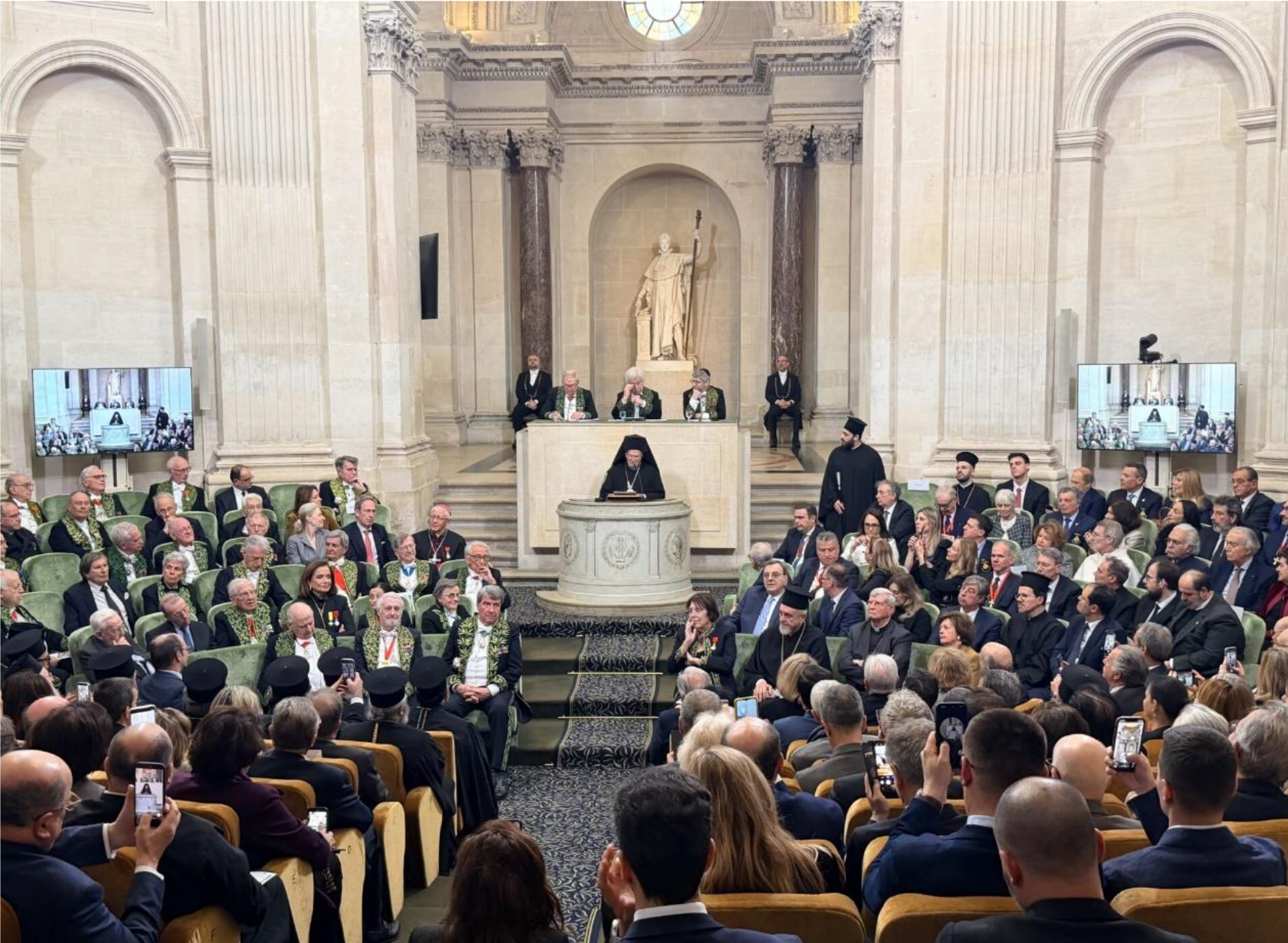
Discours de réception de Sa Toute-Sainteté le Patriarche œcuménique
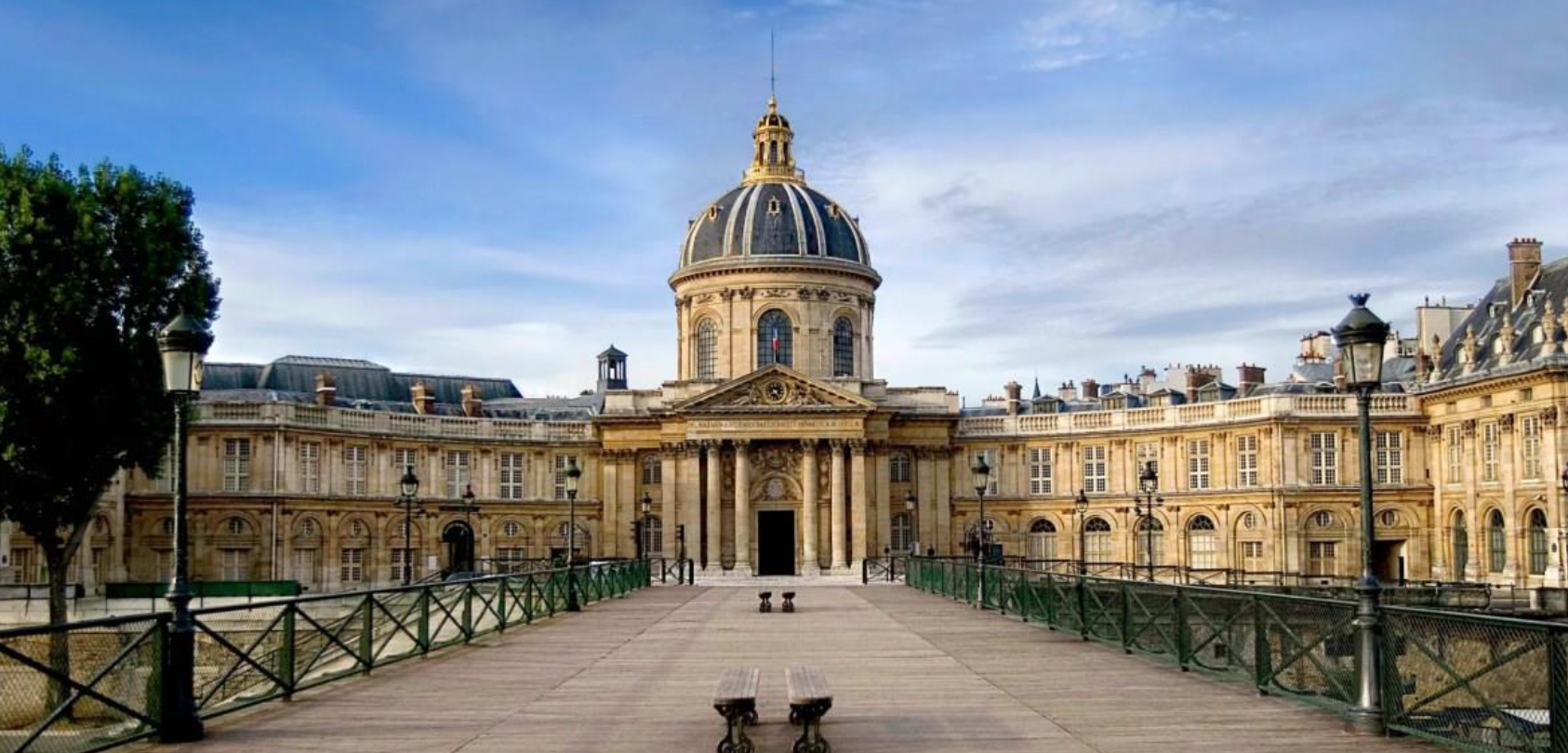
Bartholomée Ier de Constantinople à l’occasion de son admission en qualité de membre associé à l’Académie des Sciences Morales et Politiques
Paris, 30 mars 2026
* Publié avec l’aimable autorisation de Sa Toute-Sainteté le Patriarche œcuménique Bartholomée.
Reception Address of His All-Holiness Ecumenical Patriarch Bartholomew I of Constantinople
on the occasion of his admission as an Associate Member of the Académie des Sciences Morales et Politiques
Paris, 30 March 2026
Published with the kind permission of His All-Holiness Ecumenical Patriarch Bartholomew.
READ
|
|
|
| Address of His All-Holiness Ecumenical Patriarch Bartholomew to the Hellenic Parliament (5 May 2026) |
| |
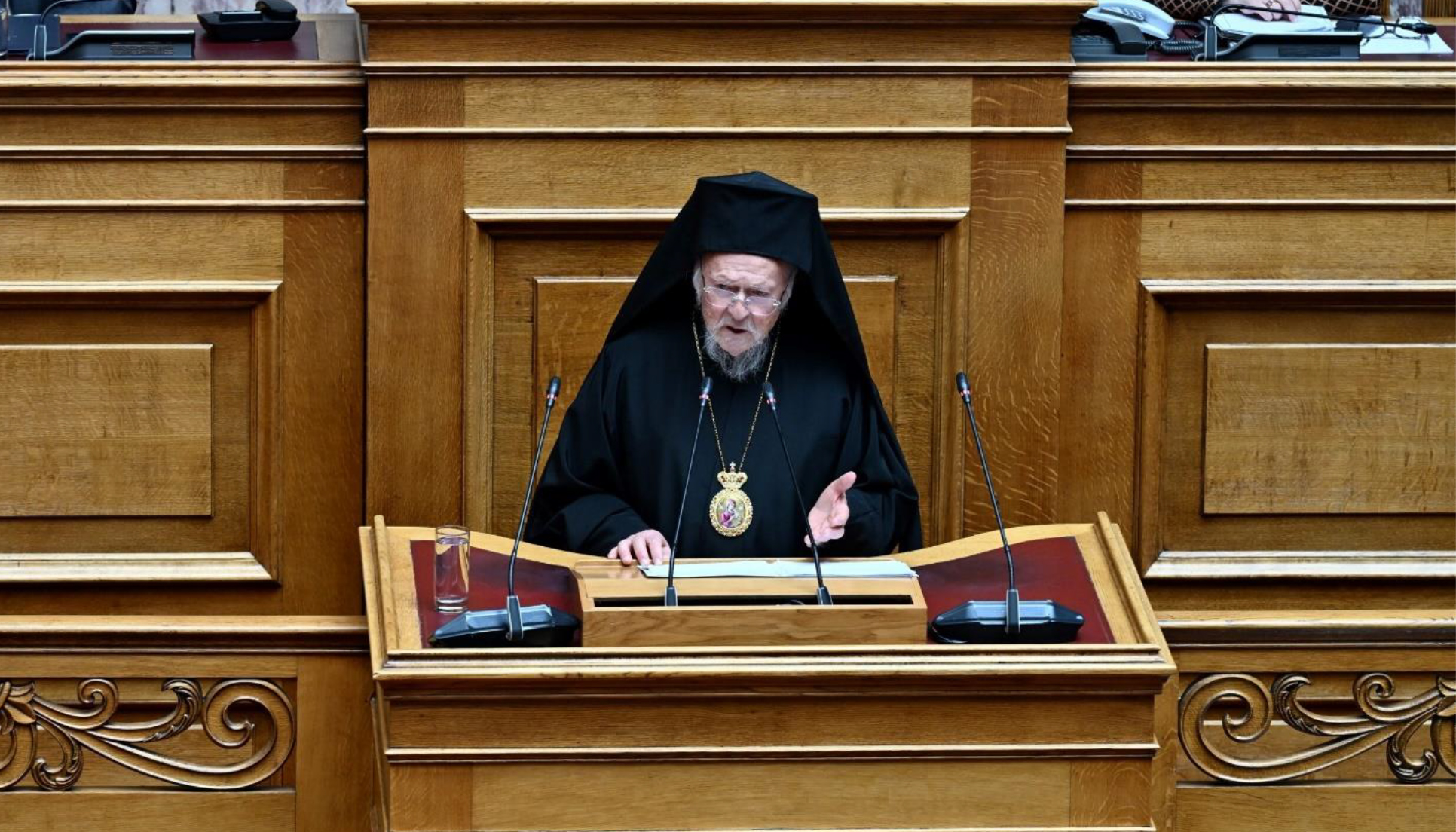
His All-Holiness Ecumenical Patriarch Bartholomew addressed a special plenary session of the Hellenic Parliament in the presence of the political and state leadership of Greece.
In his address, the Ecumenical Patriarch referred to the contemporary challenges facing humanity, emphasizing the need for peace, dialogue, and respect for human dignity. Particular emphasis was placed on the role of religions as forces of reconciliation and mutual understanding, as well as on the responsibility to protect the natural environment.
His intervention highlighted the enduring spiritual and ecumenical mission of the Ecumenical Patriarchate
of Constantinople in promoting peace, freedom, and cultural coexistance.
Selected Excerpts from the Speech.
1. Religions are called to serve peace, reconciliation, and solidarity among peoples.
2. Fanaticism and intolerance are not expressions of authentic faith, but rather its distortion.
3. The protection of human dignity constitutes a fundamental obligation of every civilized society.
4. The ecological crisis is primarily a spiritual crisis.
READ
|
|
|
| Interview of Vasileios Sofianidis in the Newspaper Chronometro |
|
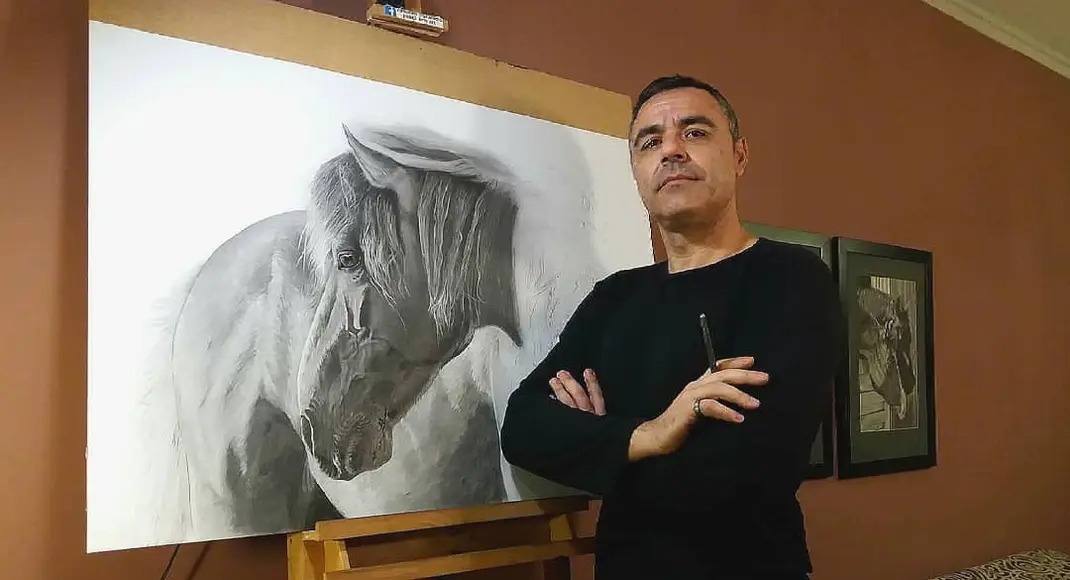
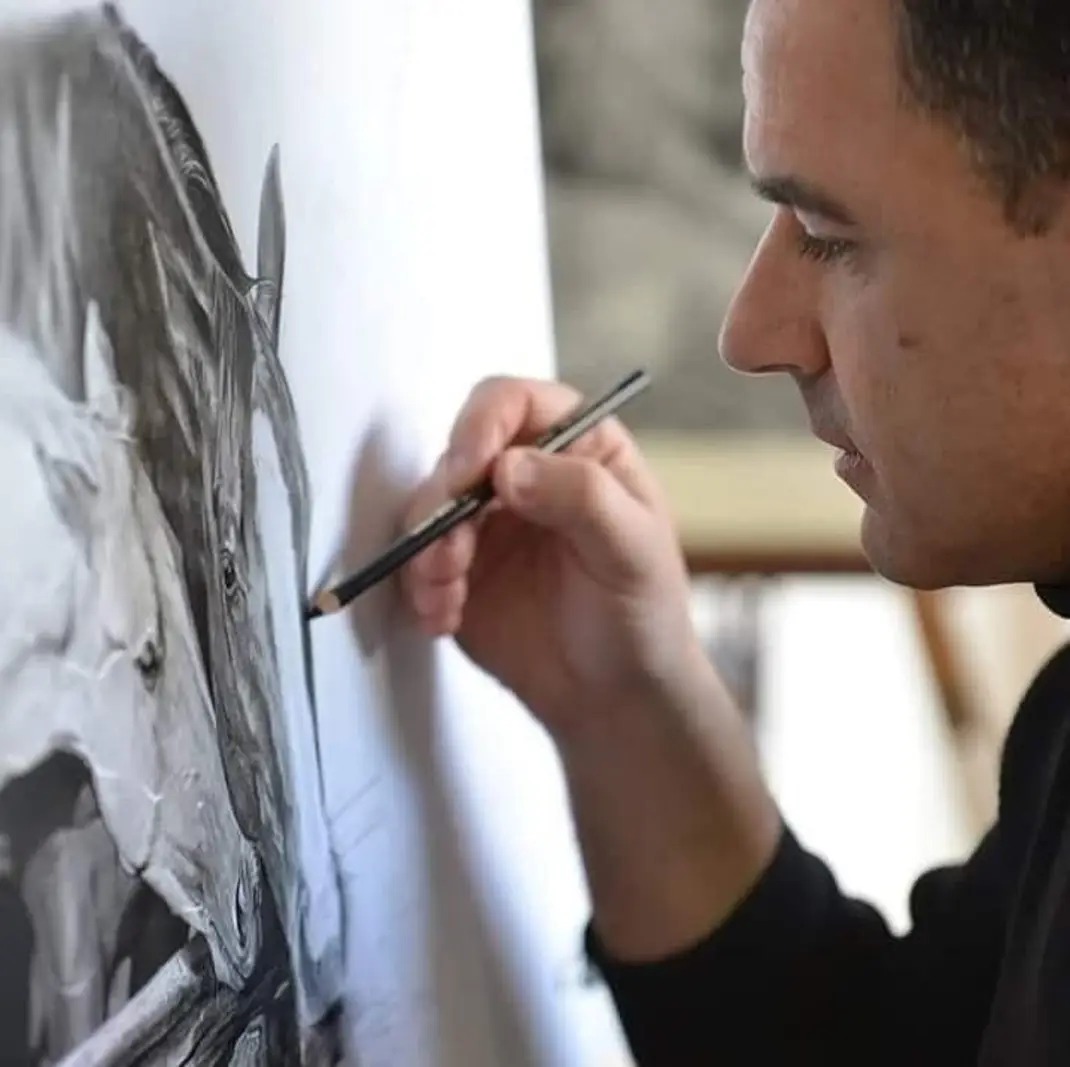
Interview in the newspaper Chronometro
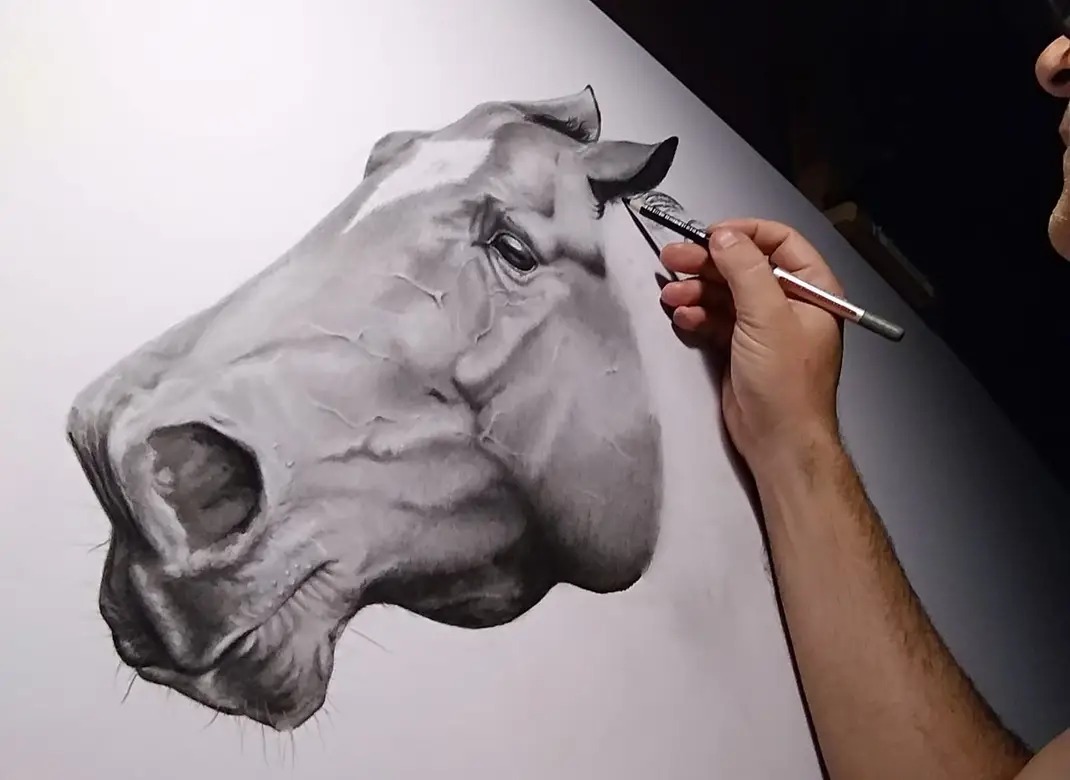
Angelos Kalogrias (AK) * : Surely these are not photographs?
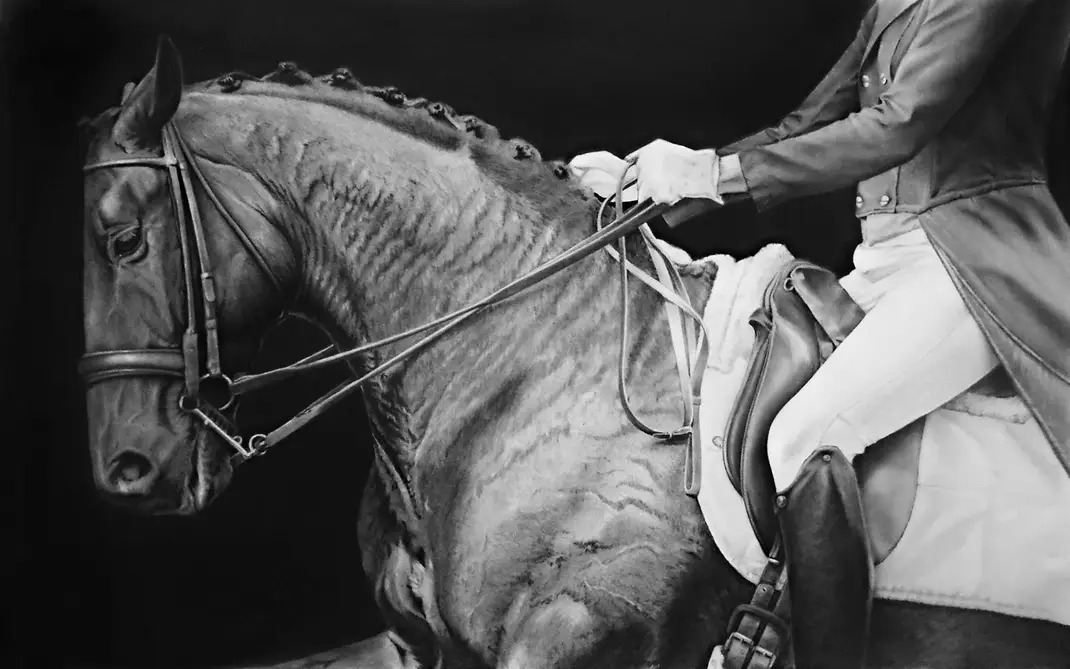
Vasileios Sofianidis (VS): What the viewer sees is something easily and immediately perceptible without the support of explanatory text. It is the capability the pencil gives me to depict my subjects through the technique of photorealism. It is the result of long-term study and observation of materials, as well as the anatomy and movement of the horse.
AK: Can the extraordinary ease in painting that one notices at first glance in any of your works be taught?
VS: Possibly… provided there is passion and the need for artistic expression. As for the apparent “ease,” it came slowly and gradually after many years of using the pencil and studying the horse.
AK: What was the stimulus that led you down this particular path?
VS: References to childhood memories were the main stimulus—memories inseparably connected with the presence of animals, especially horses. I come from a rural area where, at that time, animals played a central role in people’s daily lives.
AK: Is this a conscious choice or something that happens spontaneously? Have you ever considered changing your thematic direction?
VS: My choice of the horse as the central subject of my work comes from an inner need to express my admiration for this magnificent creature. Its simultaneous presence alongside humankind throughout history has contributed to shaping world civilization—as a tool, a means of transport, a warrior, an athlete, and in recent years, even a healer. The symmetry and harmony of its form, its vigor and strength, combined with its untamed spirit, are the reasons that inspire me to portray its primal nature as faithfully and realistically as possible. I paint whatever inspires and fascinates me, and the horse is still what moves and guides my hand… I do not know what may inspire me in the future enough to change my thematic focus.
AK: What challenges regarding shading and color does this particular technique present to a painter?
VS: Pencil as a medium emerged at a time when circumstances did not allow me to work with oils. In my need to satisfy my desire to create, I turned to the pencil. Along the way, I realized that beyond being merely a basic drawing tool, it could also become the medium for the final result of a work of art. Drawing with pencil presents a fundamental challenge: it places the viewer in the process of mentally composing the color combinations of the artwork before them. Pencil gives me unlimited possibilities to capture the magnificence of the horse’s physical anatomy through intense contrasts of light and shadow. That is also my goal… for the viewer to focus on the detail of its anatomy, the expression of emotions, the tension that arises from movement and extreme effort.
AK: Lazaridis Wines
VS: The depiction of artistic scenes on collectible “Amethystos” wine bottles by Kostas Lazaridis was a fortunate coincidence through which I was given the opportunity, the ability, the responsibility, and the joy to express another aspect of myself through this major brand name in the wine industry.
AK: Military uniform and Art?
VS: The Army is a field that operates under strict and particular rules; nevertheless, I never felt that it forbade me or deprived me of the opportunity to express this part of myself. Last November, I participated in the art exhibition organized by the Ministry of National Defense in Syntagma Square, Athens. All exhibitors were members of the Armed Forces. It seems that this perception did not influence at all the committee of professors from the School of Fine Arts who accepted me as a member of the Chamber of Fine Arts of Greece after examinations. Therefore, yes… uniforms and art not only coexist, but I would even say they serve one another.
AK: How did the window to the international scene open?
VS: Here we witness the incredible power of the internet! From the very first period during which I began sharing my work through social media, I realized there was tremendous interest, mainly from abroad. This interest focused on both the subject matter and the artistic style, especially from Anglo-Saxon countries such as England, Germany, the USA, and Australia. That is how my participation emerged—after a worldwide competition—in the AQHA exhibition
in Texas (the global organization dedicated to the American horse breed). In a similar way came my participation in the international EQUUS Film Festival in Manhattan, where my work received the first prize. Here I would like to mention that my sponsor was the Municipality of Kavala and once again thank Mayor Tsanaka. I was also accepted as a member of the American Academy of Equine Art. I am absolutely convinced that the crisis in Greece is shaping a tendency in Art—as well as in the other sectors and pillars of our society—where mediocrity will no longer have any place.
AK: Did you find a safe harbor in Kavala?
VS: For the last ten years I have lived and worked in Kavala. In my opinion, it is one of the most beautiful cities in our country—a city with character and vibrant energy. I met and became friends with many remarkable people, and one of their characteristics, which I find particularly attractive, is their refined urban snobbery, which I assume is an inheritance from Kavala’s cosmopolitan past. I feel very fortunate that during this highly productive and creative period of my life, I happened to be here, in this city, among these wonderful people.
AK: Are there goals or dreams related to painting that you have not yet achieved or seen come true?
VS: In my daily life I do not function according to a strict plan. I welcome whatever the moment or the day brings me… pleasant or unpleasant. I face everything as gifts that life offers me for a mreason. Nevertheless, it would be an exaggeration to say that I do not set goals or dream in relation to painting. The most important thing of all is the presentation of my works in a solo exhibition—first here in Kavala and then in Athens. I believe both will come soon. After all, there is no artist who creates for the backstage. The moment of creation may be a lonely and sometimes dark process, but the result seeks to be brought into the light and shared, somewhat vainly, with the audience.
*Angelos Kalogrias is a journalist writing for the newspaper “Chronometro” of Kavala.
The interview was given in the spring of 2018.
|
|
|
| |
| |
| |
| |
| |
| |
|
|